How
Much Caffeine
Do You Reckon You Consume Each Day?
Health organisations around the world suggest that most people can safely consume up to 300mg of caffine a day, and the NHS advises pregnant women to consume no more than 200mg per day, but without knowing how much caffeine naturally occurs in your favourite drinks this can sometimes be quite a task. It's difficult to keep tabs when you love good tea - so we wanted to give a simple, clear explanation of how caffeine varies between different teas, and to bust some commonly held myths.
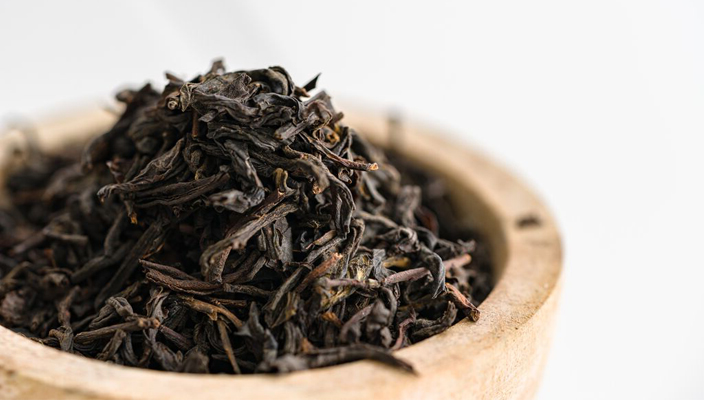
Green Tea vs Black Tea
Black, green, white, yellow, puerh and oolong teas are all from the same plant: Camellia sinensis. The difference in taste and tea type comes down to how the leaves are processed after being picked. In the case of green, oolong and black tea, this is all about "oxidation" - in other words, the extent to which the enzymes in the leaves react with the oxygen in the air, controlled by steaming, firing or rolling the tea leaves.
Does oxidation affect the amount of caffeine? Well... no, not strictly. One of the biggest misconceptions about tea is that green tea contains less caffeine than black tea, and that white tea is the least caffeinated option of all.
So What's The Truth?
We've broken down a few widely held myths about tea and infusions - brace yourself for some serious myth-busting.
"White tea is caffeine free"
FALSE
All tea (except fruit and herbal infusions) contains caffeine, since it comes from teh same plant (Camellia sinensis).
"You can decaffeinate tea by steeping it in water for 30 seconds"
FALSE
You cannot decaffeinate tea by steeping it in water for 30 seconds. Generally speaking the shorter the brewing time, the less caffeine there will be. If you like a strong flavour, but want to avoid caffeine, use more tea leaves and brew for a shorter time.
What About Coffee?
Most people know that coffee contains more caffeine than most cups of tea - NHS estimate that 1 cup of filter coffee contains about 140mg caffine. 1 mug of instant coffee contains about 100mg. Whereas 1 mug of strong tea contains about 70mg.
Got any tips of your own? Let us know on Facebook - and don't forget to spread the word by sharing our top caffeine tips with your friends.