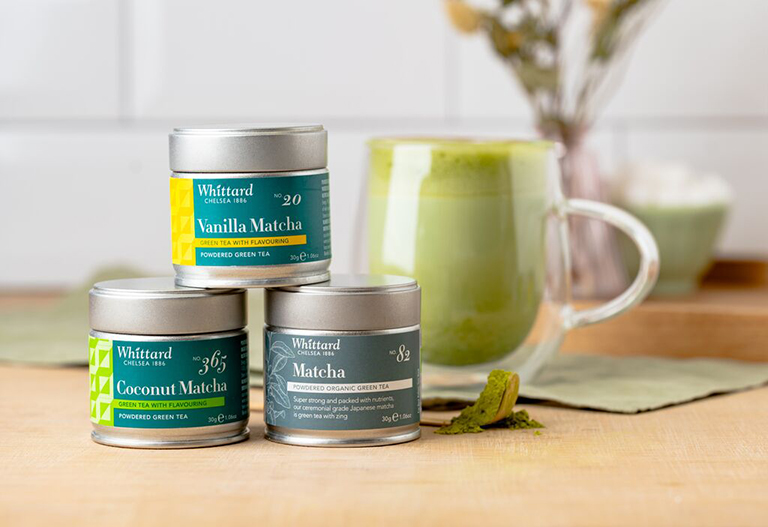
Let's
cut to the chase, what's so marvellous about matcha?
Think of it as a green
tea
espresso: by consuming the leaf as a powder rather than infusing and removing, you get all
the goodness contained in the leaf, from fibre to vitamins. And then there's its distinctive
delicious flavour - bright and vegetal with a lingering sweetness, we'd describe it as a
breath of fresh air in a cup. It's no wonder that this green tea power powder became a way
of life in Japan, forming the basis for many a tea ceremony.
Did You Know?
It's perhaps the most labour-intensive tea produced in the world, taking 1 hour to grind 40g tea (!) - any faster and the leaf heats, becoming yellow and flavourless.
How is Matcha Tea Made?
Matcha is made from the leaves of tencha, a high-quality green tea. The tea bushes are grown under the shade of a "tana" (a structure with black matting) for c. six weeks before the leaves are picked. With minimal sunlight, the plant increases its production of chlorophyll and L-theanine, as well as other nutrients in order to grow, making sweeter and umami flavours and brighter colour. The leaves are then steamed as quickly as possible to halt oxidation, dried and destemmed and deveined using electrostatic machinery. Finally, they're ground in a hand-carved stone mill.
How to Prepare Matcha Tea
Unlock the power of matcha, Japan's iconic green tea, bursting with antioxidants, natural energy, and calming L-theanine. Sip your way to focus, vitality, and everyday wellbeing.

Mix Paste
Add 1 gram of powder to a bowl for a lighter and frothier drink, use 2 grams for a more concentrated, full-bodied experience.

Top up With Water
Boiling water can scorch the powder and result in bitterness, so add a small splash of water heated to 75-80° C to the powder.

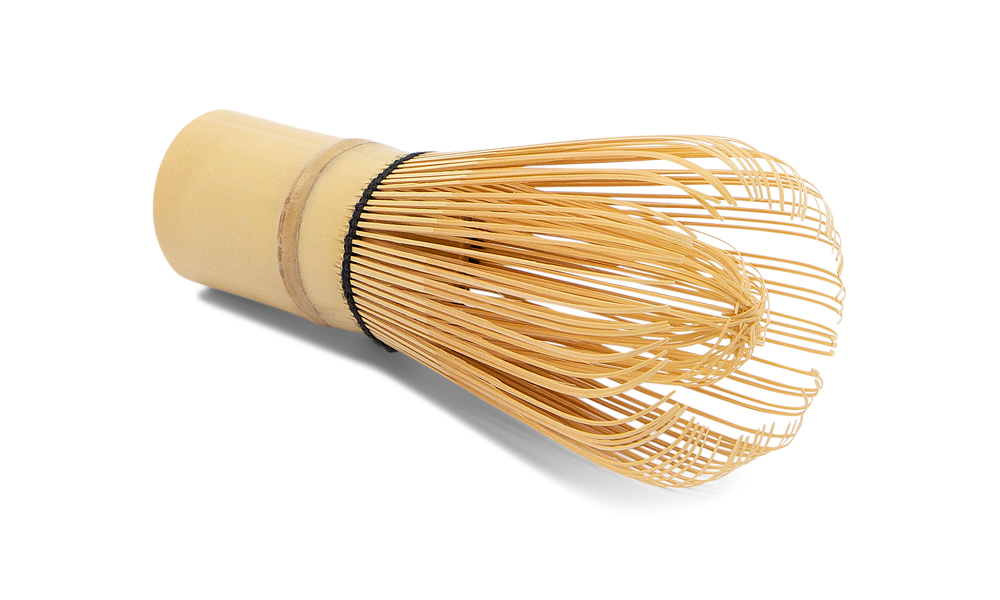
Whisk
Using the whisk, use a brisk back-and-forth motion until the matcha forms a fine, even froth with a smooth velvety texture.

Enjoy!
Drink directly from the bowl or pour over steamed milk for a delicious matcha latte - the flavour should be bright and fresh with a subtle depth.
Mix Up Your Matcha
Who
said matcha could only be enjoyed one way?
We couldn't resist
getting a little creative,
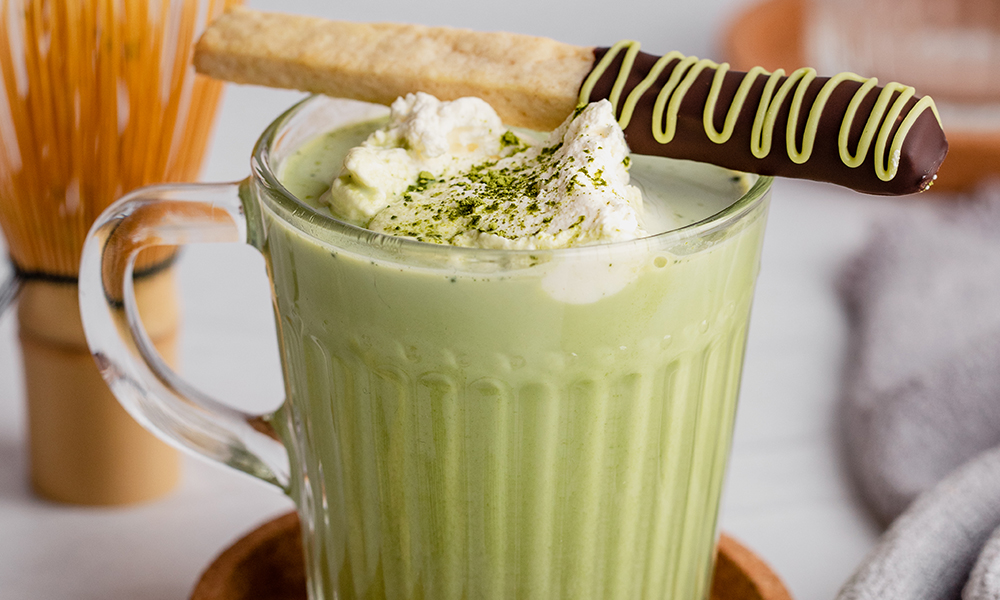
whisking it into a latte, a spritzer and even a Hot Chocolate.
Recipe - Matcha Latte
Ingredients
1-2g Matcha (depending on personal taste).
50ml 75-80°C water (after boiling the water, let your kettle sit with its lid open for 10-15 minutes).
1 cup milk (we recommend soya milk for a deliciously creamy latte).
Method
Recipe - Matcha Spritz
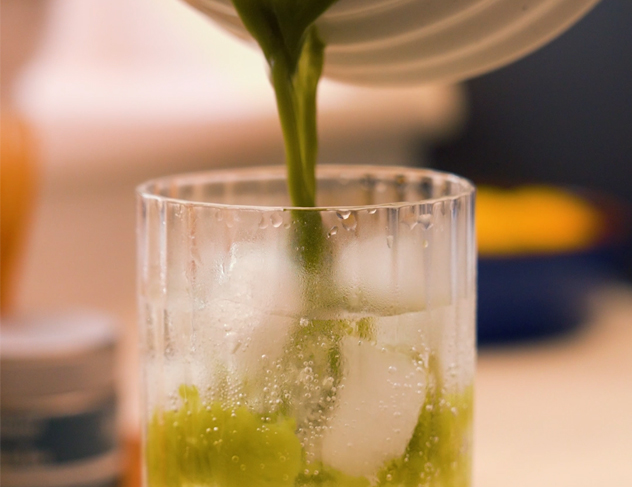
Ingredients
1-2g Matcha (depending on personal taste).
50ml 75-80°C water (after boiling the water, let your kettle sit with its lid open for 10-15 minutes).
Sparkling Water, Ice Cubes (Optional: a splash of your favourite syrup for added sweetness).
Method
Recipe - Matcha Meets Hot Chocolate
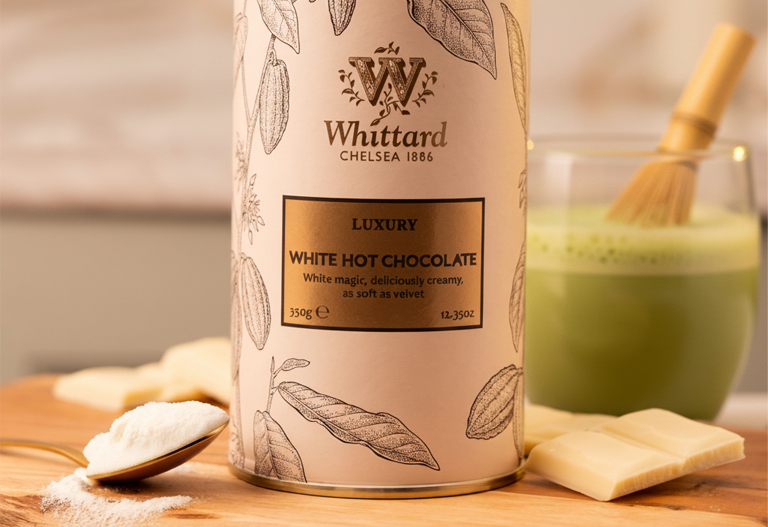
Ingredients
1-2g Matcha (depending on personal taste).
50ml 75-80°C water (after boiling the water, let your kettle sit with its lid open for 10-15 minutes).
1 cup milk.
1-2 tsp Whittard Hot Chocolate (adjust to taste).
Method
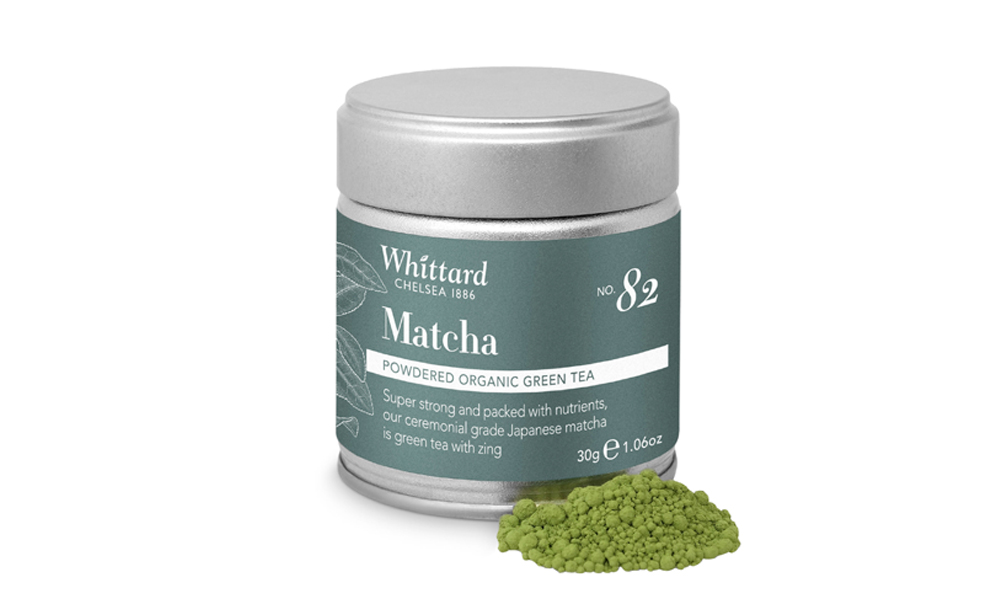
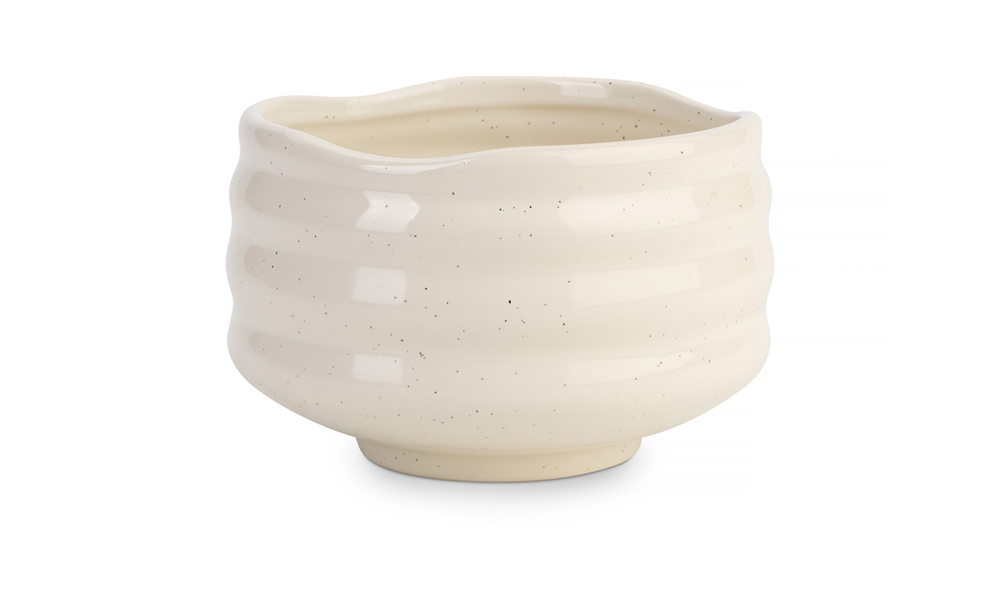
To get you started, we recommend:
Frequently Asked Questions About Matcha
Everything you need to know about ceremonial grade matcha, its health benefits, preparation and the Whittard matcha range.
What is ceremonial grade matcha?
Ceremonial grade matcha is the highest quality matcha, made from the youngest tea leaves and stone-ground into an ultra-fine powder. It is designed to be enjoyed simply with water, delivering a smooth, naturally sweet flavour with minimal bitterness. It can also be used to make a latte when blended with milk, for a creamier, more indulgent serve.
How should I store matcha powder?
Matcha should be stored in an airtight container in a cool, dry place away from light and heat to help preserve its vibrant colour, aroma, and freshness for longer.
Does matcha contain caffeine?
Yes, matcha naturally contains caffeine. However, it also contains L-theanine, which helps promote a calm, steady energy release—avoiding the sharp spike and crash often associated with coffee.
Can I drink matcha every day?
Yes, matcha is commonly enjoyed daily as part of a balanced lifestyle. Many people use it as a morning or midday alternative to coffee for sustained, gentle energy.
How much matcha should I use per cup?
A typical serving is 1-2 grams per cup or one heaped chasaku matcha spoon. Use less for a lighter, more delicate drink, or more for a stronger, more intense flavour experience.
Is matcha suitable for lattes?
Yes - ceremonial grade matcha can be enjoyed as a latte, though its delicate flavour also shines when whisked with water. For lattes, it pairs beautifully with both dairy and plant-based milks.